Notting Hill Gate rug cleaning and stain removal W8 properties
Posted on 14/06/2026
If you live or work in W8, you already know rugs do more than soften a room. They hold the whole space together. They also catch everything: coffee drips after a rushed morning, muddy shoes on a rainy commute, pet accidents, candle wax, even the odd mystery mark no one will admit to. That is where Notting Hill Gate rug cleaning and stain removal W8 properties becomes less of a nice-to-have and more of a practical fix.
The tricky part is that rugs are not all the same. Wool, silk blends, jute, viscose, synthetic fibres, antique weaves, hand-knotted pieces - each one reacts differently to moisture, heat, chemistry, and friction. A good clean can restore colour, texture, and freshness. A rushed one can leave tidelines, bleeding dyes, or a patch that never quite looks right again. Let's face it, nobody wants that. This guide walks through what works, what to avoid, and how to decide when a rug needs professional help.
For readers looking beyond the rug itself, it can also help to understand the wider home-care picture. Our carpet cleaning in Holland Park guide and deep cleaning services page explain how related floor and fabric care fits into a proper maintenance routine. If you are comparing options, the services overview is a sensible place to start.
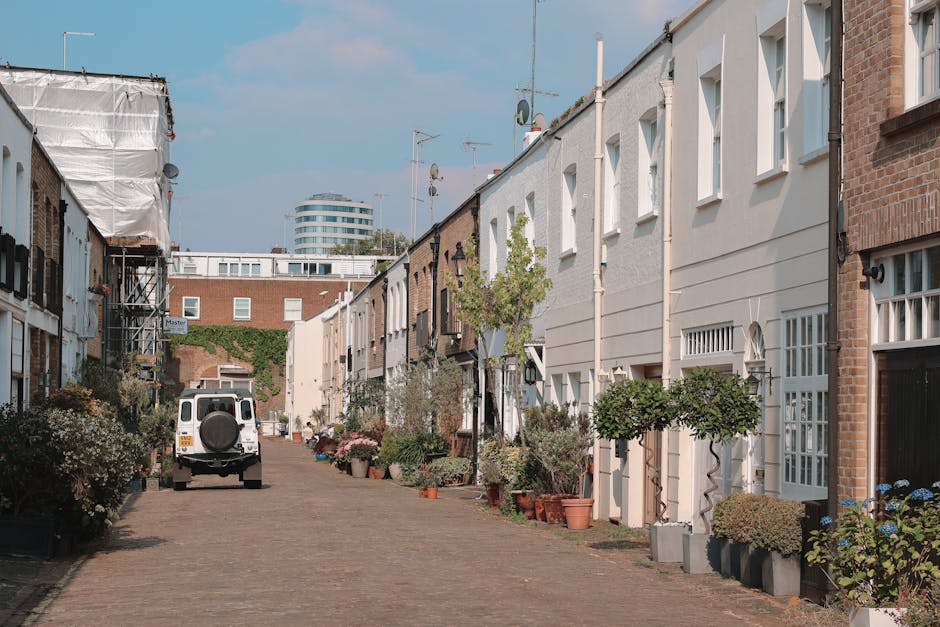
Why Notting Hill Gate rug cleaning and stain removal W8 properties Matters
Rugs in W8 properties often sit in high-use rooms: entrance halls, reception rooms, open-plan living spaces, home offices, and bedrooms with heavy foot traffic. In a place like Notting Hill Gate, where homes are often beautifully finished and furniture tends to be chosen with care, one stain can throw off the whole room. A fresh rug keeps a space looking intentional rather than tired.
There is also the practical side. Dirt is abrasive. Every step grinds grit deeper into the fibres, which slowly dulls the surface and shortens the life of the rug. Spills do a different kind of damage. Tea, coffee, red wine, gravy, makeup, and pet mess can set into fibres quickly, especially if they are blotted with the wrong cloth or scrubbed in a panic. That quick scrub? Usually not a hero move.
Stain removal matters because timing matters. Some marks are surface-level. Others sink into the pile, backing, or underlay. In older W8 properties, you may also be dealing with delicate flooring underneath, so soaking a rug too heavily can create a bigger problem than the original stain. If the rug is in a period home, a rental flat, or a busy family property, the margin for error gets even smaller.
Expert summary: Good rug cleaning is not just about making a rug look bright again. It is about matching the fibre, dye, stain type, and backing to the right cleaning method so the rug is refreshed without damage.
That is why the approach should be careful, not dramatic. Sometimes the right answer is a targeted spot treatment. Sometimes it is a full immersion or low-moisture clean. Sometimes it is honest advice to leave a stain alone until a specialist assessment. A calm decision usually beats a heroic one.
How Notting Hill Gate rug cleaning and stain removal W8 properties Works
Most professional rug cleaning starts with identification. You cannot treat a rug properly until you know what you are dealing with. Is it wool? Synthetic? Natural fibre? Hand-tufted? Has the dye been stable in past cleans? Has the stain already been treated with supermarket spray or washing-up liquid? Those details change everything.
The process usually begins with dry soil removal. This is the unglamorous bit, but it matters. Loose grit is lifted out before any moisture is introduced. If not, the cleaning stage can turn dust into paste, and paste is not your friend. After that comes inspection and test spotting, especially on delicate or high-value rugs.
For stain removal, the method depends on the stain category:
- Water-based stains such as tea, juice, and diluted drinks often respond to controlled moisture and gentle extraction.
- Oil-based stains such as food grease, lotion, or makeup may need specialised pre-treatment before cleaning.
- Protein stains such as milk, egg, or pet accidents often require temperature-sensitive treatment.
- Organic marks like mud or soil usually need dry removal first, then fibre-safe washing.
There are also dye stains, which are a different beast. Think ink, coloured drinks, some cosmetics, and certain cleaning products. These may spread if treated aggressively. That is where experience really shows. A careful technician knows when to work slowly and when to stop before the fibres tell on you.
After treatment, the rug is rinsed or extracted according to fibre type and construction. Drying is just as important as cleaning. A rug that looks fine on the surface can still hold moisture underneath, which may lead to odour or backing issues later. In humid weather, or in a flat with limited airflow, drying time deserves proper attention. No shortcuts here, really.
If you are reading this as part of a broader property maintenance plan, our one-off cleaning in Holland Park and spring cleaning pages show how rug care can be folded into a wider refresh rather than treated as an isolated job.
Key Benefits and Practical Advantages
There is a reason people keep coming back to rug cleaning rather than simply replacing the rug. Good cleaning preserves value, improves appearance, and makes a room feel more looked after. That applies whether the rug is an everyday hallway runner or a statement piece in a formal sitting room.
- Better appearance: colours look less muted and patterns become clearer again.
- Longer rug life: removing soil reduces wear on fibres.
- Better room hygiene: dust, allergens, and odours are reduced.
- Safer living spaces: sticky residues and spill marks are removed, lowering slip or grime issues.
- Improved property presentation: useful for landlords, tenants, homeowners, and agents.
There is also an emotional benefit people overlook. A clean rug changes how a room feels. You notice it when you walk in barefoot and the fibres feel soft instead of gritty. You smell it too - less stale, less sour, more neutral. That sounds small, but in a home, small things stack up.
For landlords and renters, a properly cleaned rug can be part of a better end-of-tenancy handover. For homeowners, it can make a room feel reset after a long winter. For offices or client-facing spaces, it quietly supports first impressions without shouting about it.
If your wider goal is to keep a property in good shape, our end of tenancy cleaning in Holland Park and house cleaning services can be useful companions to rug care.
Who This Is For and When It Makes Sense
This topic is relevant for far more people than first-time rug owners. In practice, it tends to matter most for:
- Homeowners with wool, antique, or designer rugs
- Renters who need to deal with accidental spillages before they set
- Landlords preparing a property between tenancies
- Property managers maintaining furnished flats in W8
- Families with children, pets, or high foot traffic
- Offices and studios with decorative rugs in reception or meeting areas
It makes sense to book or plan cleaning when you notice one of these signs:
- Persistent marks after blotting
- Flattened pile in walkways
- Odours that do not go away after airing the room
- Colour dullness compared with the rug's border or underside
- Spills that sit near seams, fringes, or dyed sections
Sometimes the right moment is before a problem gets bad. If you know a dinner party is coming, or you are getting ready for visitors, it is often smarter to deal with a rug beforehand than to wait until someone drops a glass of merlot on it. A bit of planning saves a lot of swearing.
For people learning more about the local area and property context, these pages can be useful background reading: discovering the charm of Holland Park in London and is Holland Park ideal for residents. They help explain why presentation and upkeep matter so much in this part of London.
Step-by-Step Guidance
If you want a practical way to think about rug cleaning, use this sequence. It is simple, but not simplistic. The order matters.
- Identify the rug. Check fibre type, weave, labels if available, and whether the rug has fringe, latex backing, or signs of previous repairs.
- Assess the stain. Work out what caused it, how long it has been there, and whether anything has already been applied to it.
- Test a small area. Especially important for natural dyes, silk, viscose, and older or handmade rugs.
- Remove dry soil. Vacuum gently or use controlled dust removal so grit does not spread during cleaning.
- Pre-treat carefully. Apply the right product or technique to the specific stain. Do not over-wet the area.
- Clean the full rug or targeted area. Depending on the rug, that could be low-moisture cleaning, hand washing, or another fibre-safe method.
- Extract and dry properly. Aim for even drying, with airflow around the rug and no trapped dampness underneath.
- Inspect once dry. Some stains reappear as "wicking" when moisture rises to the surface. A second check is worth it.
If the rug is very valuable, very delicate, or sentimental, a cautious inspection is especially important. Truth be told, some rugs are worth more to the household than they are on paper. Family pieces often are.
When the room itself needs a broader reset, our domestic cleaning service in Holland Park can complement the rug work and help the whole property feel pulled together again.
Expert Tips for Better Results
Here is where a few small decisions can make a big difference.
Act quickly, but not recklessly
The best move after a spill is usually to blot, not rub. Use a clean absorbent cloth and press gently. Work from the outside of the stain inward to reduce spread. If you scrub, you risk pushing the stain deeper and roughing up the fibres. Annoying, but true.
Use less liquid than you think
Many stains get worse because people flood the area. A rug is not a kitchen counter. Excess liquid can carry dye into the backing or the floor underneath. Controlled application is safer than making the area drenched and hoping for the best.
Mind fibre sensitivity
Wool is durable but can react to harsh treatment. Silk and viscose can be especially unforgiving. Jute and other natural fibres may distort with too much moisture. Synthetic fibres are often more forgiving, but that does not mean they are immune to heat damage or staining mishaps.
Drying is part of the clean
A rug that stays damp too long may smell musty or feel stiff. In a London property, especially one with central heating on in winter and closed windows, airflow needs a bit of thought. Raise the rug slightly if appropriate, use space around it, and avoid heavy furniture before it is fully dry.
Consider the whole room
Rug stains can be linked to other issues: leaking radiators, pets, moisture from balconies, or repeated traffic from a hallway. If the same mark keeps returning, the real issue may not be the stain itself. That is the sort of thing people miss when they only treat the visible patch.
For readers who want a broader view of service standards and expectations, it can help to review the insurance and safety page and the health and safety policy. Good care should always sit on a safe, responsible process.

Common Mistakes to Avoid
Most rug damage does not happen because people do nothing. It happens because they do the wrong thing too fast. Here are the classic mistakes:
- Rubbing the stain aggressively instead of blotting it
- Using random household cleaners on unknown fibres
- Over-wetting the rug and forgetting about the backing
- Applying heat before knowing the stain type
- Ignoring colour bleeding on dyed or handmade pieces
- Leaving pet stains too long, which makes odour removal much harder
- Using too much detergent, which can leave sticky residue that attracts more dirt
Another subtle mistake is assuming a stain is gone when it looks lighter. Some marks reappear after drying because they wick back up from deeper in the pile. That is why a proper final inspection matters. A "looks fine now" approach can be a bit misleading.
If you are organising a larger property refresh, our spring cleaning in Holland Park and office cleaning pages may also be helpful, especially if the rug is one part of a wider cleaning plan.
Tools, Resources and Recommendations
You do not need a warehouse full of kit to manage basic rug care well. The most useful tools are often the simplest ones used properly.
- HEPA or well-filtered vacuuming: helps lift dry soil without blasting fibres around
- White absorbent cloths: better than coloured towels that might transfer dye
- Soft brush or pile comb: useful for gentle fibre lifting once dry
- Clean water spray bottle: for controlled dampening, if appropriate
- Protective underlay: can reduce slipping and improve airflow underneath
For service comparison and next-step planning, the most practical pages on the site are the pricing and quotes page and the request a quote form. If you prefer to speak to someone directly, the contact page is there too.
One small recommendation that people often ignore: take a photo of the rug before and after treatment. Not for drama. Just for reference. When you are dealing with subtle colour changes or recurring marks, a quick photo can tell you whether the fibres have truly improved.
If you want more context on the company and how services are presented, the about us page gives useful background without overcomplicating things.
Law, Compliance, Standards, or Best Practice
Rug cleaning is not usually a heavily regulated activity in the way some industries are, but good practice still matters. In real terms, that means working safely, using products appropriately, and being honest about what a rug can tolerate.
For homes and rented properties, common-sense compliance starts with protecting floors, ventilation, and occupants. If cleaning products are used, they should be handled with care and stored safely. Where a rug belongs to a tenant, landlord, or managing agent, it is sensible to agree expectations beforehand rather than argue later about whether a stain was pre-existing. That conversation is boring until it saves everyone trouble.
Good practice also includes transparency about limitations. No responsible cleaner should promise that every stain can be removed completely. Some dyes are permanent, some fibres are too delicate for harsh treatment, and some damage has already gone too far. Honest assessment is part of trust.
On the business side, documents such as the terms and conditions, privacy policy, cookie policy, and payment and security page help set clear expectations. Those pages may sound administrative, but they are part of a trustworthy service experience.
There is also a wider ethical expectation around supply chains and service conduct, which is why the modern slavery statement is worth noting. It is not directly about rug stains, obviously, but it does show the kind of operational transparency many customers now look for.
Options, Methods, or Comparison Table
Different rugs and stains call for different methods. Here is a straightforward comparison to help narrow the choice.
| Method | Best for | Strengths | Watch-outs |
|---|---|---|---|
| Dry soil removal and vacuuming | Routine maintenance, light dust, general upkeep | Low risk, fast, useful before deeper cleaning | Won't remove set stains on its own |
| Targeted spot treatment | Fresh spills, small marks, isolated stains | Efficient, minimal disturbance to the whole rug | Wrong chemicals can spread or set the stain |
| Hand washing | Delicate or valuable rugs where controlled care is needed | Gentle, adaptable, allows close inspection | Time-consuming; drying must be managed carefully |
| Low-moisture cleaning | Many modern rugs and busy properties needing quicker turnaround | Reduces drying time and over-wetting risk | May not suit every fibre or deep contamination |
| Specialist stain treatment | Ink, dye transfer, pet accidents, protein stains, difficult marks | More precise and often safer for tricky problems | Results vary depending on stain age and fibre type |
A decent rule of thumb: the older, more delicate, or more valuable the rug, the more cautious the method should be. If a method sounds dramatic, it usually needs scrutiny. That is just experience talking.
Case Study or Real-World Example
A typical W8 scenario goes like this. A homeowner in a ground-floor flat near Notting Hill Gate notices a coffee spill on a light-toned rug after a busy morning. It seems small at first. Then the mark starts to dry darker around the edges, and a faint ring appears. Someone tries water and a towel. It lightens a bit, but not enough.
In a case like that, the useful first step is not more scrubbing. It is identifying whether the rug is wool or synthetic and whether the spill has only affected the surface pile or also reached the backing. If the stain is still fresh, controlled blotting, careful pre-treatment, and proper extraction can often improve it significantly. If it has already started to set, the process becomes more about stain management than instant removal.
What makes the difference in real life is usually pacing. A calm, staged approach prevents the stain from spreading or binding deeper into the fibres. It also avoids the common mistake of over-wetting a nice rug in a bright room with little ventilation. We have all seen a good intention turn into a soggy afternoon.
In another common situation, a pet accident on a hallway rug looks minor on day one but creates odour later if not addressed properly. The visible spot may disappear, yet the smell lingers. That is because the issue sits lower in the pile or backing. The lesson is simple: appearance and cleanliness are not always the same thing.
Practical Checklist
Use this checklist before you clean, treat, or hand over a rug:
- Identify the rug fibre and weave if possible
- Check whether the stain is fresh or set
- Blot first, never rub
- Test any cleaning product on a hidden area
- Keep liquid use controlled and minimal
- Avoid heat until the stain is fully understood
- Allow proper drying time with airflow
- Inspect for colour bleed, rings, or wicking after drying
- Document the condition if the rug belongs to a landlord or tenant
- Ask for professional advice if the rug is valuable or delicate
Quick reminder: if the stain is spreading, the rug is antique, or the fibre is unknown, pause. A short pause is better than an expensive mistake.
For a broader property-care route, the house cleaning and Holland Park Avenue carpet cleaning guide for W11 homes articles are useful reading alongside rug care. If you are near the station and dealing with textiles in a larger home refresh, the Melbury Road upholstery cleaning near Holland Park Station piece adds another local angle.
Conclusion
Notting Hill Gate rug cleaning and stain removal W8 properties is really about protecting the things that make a room feel finished. A good rug should add warmth, pattern, and comfort - not become a source of stress every time someone spills something. The right approach depends on fibre, stain type, and timing, and the safest results usually come from patience rather than guesswork.
If you remember one thing, make it this: treat the stain as a material problem, not a panic problem. Identify it, test it, clean it carefully, and dry it properly. That simple rhythm will save more rugs than a shelf full of miracle sprays.
If you are planning a broader refresh, or you want advice before acting on a difficult stain, it is worth speaking to a local cleaning specialist who understands the realities of W8 properties, older fabrics, and busy London homes. A thoughtful clean now can spare you a replacement later, and that is always a good feeling.
Get a free quote today and see how much you can save.